Rishabhanatha
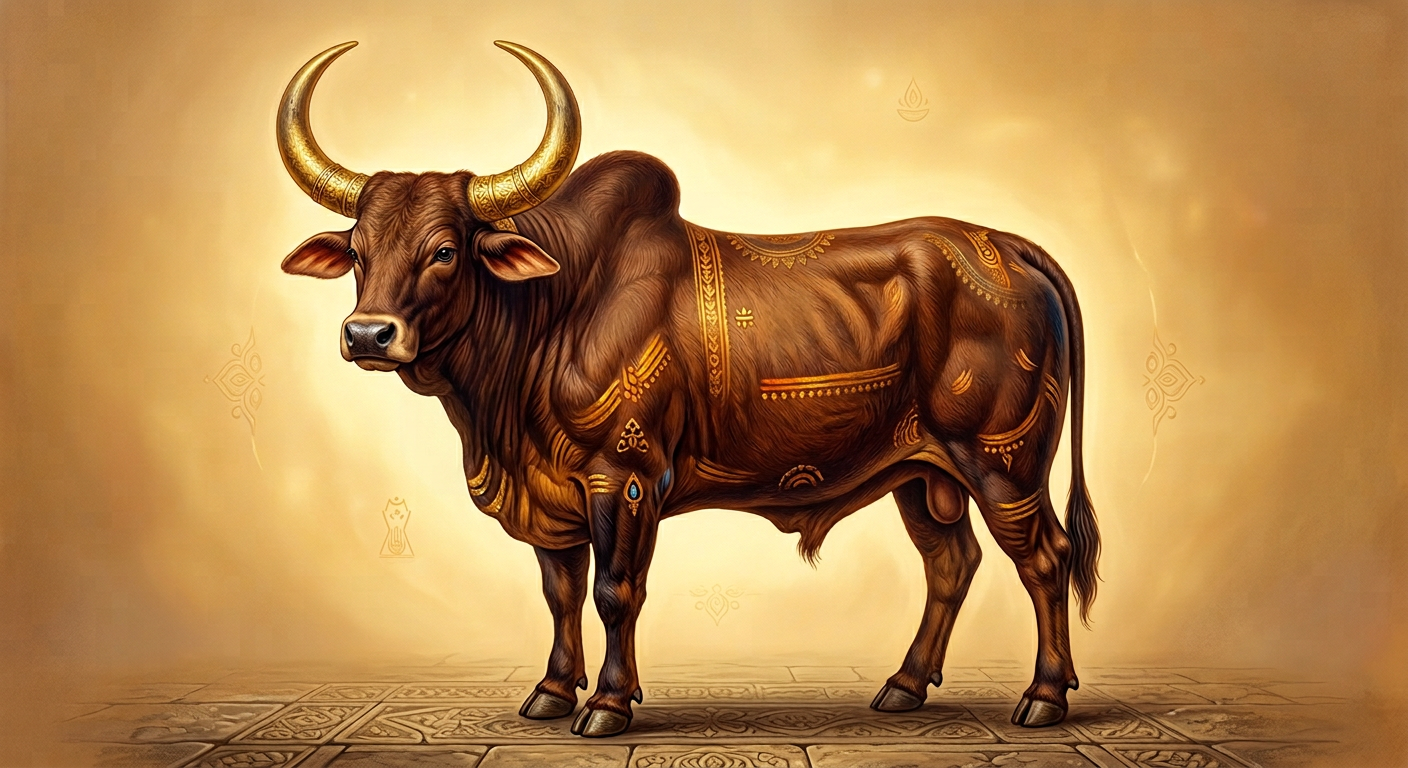
Symbol: Bull
The first Tirthankara, Rishabhanatha, is known for establishing the foundation of Jainism. He is believed to have lived for an extraordinarily long period and taught the principles of renunciation and spiritual discipline to his followers.
Ajitanatha

Symbol: Elephant
Ajitanatha, the second Tirthankara, is revered for his unparalleled strength and determination. His teachings emphasized the control of the senses and the practice of meditation as the path to ultimate liberation.
Sambhavanatha

Symbol: Horse
Sambhavanatha, the third Tirthankara, is known for his grace and compassion. His teachings highlighted the importance of charity and compassion in spiritual progress, making him a beacon of benevolence in Jain tradition.
Abhinandananatha

Symbol: Monkey
Abhinandananatha, the fourth Tirthankara, is celebrated for his joyful and playful nature. His teachings reveal that spiritual enlightenment can be achieved with a sense of joy and celebration rather than merely through austere practices.
Sumatinatha

Symbol: Swan
Sumatinatha, the fifth Tirthankara, is associated with wisdom and good intellect. His symbol, the swan, represents purity and discernment. His teachings emphasize the importance of right knowledge in achieving spiritual liberation.
Padmaprabha

Symbol: Lotus
Padmaprabha, the sixth Tirthankara, is symbolized by the lotus, representing spiritual purity and enlightenment. He taught that like the lotus that blooms from muddy waters, the soul can achieve purity and liberation despite worldly attachments.
Suparshvanatha

Symbol: Swastika
Suparshvanatha, the seventh Tirthankara, is represented by the swastika, a symbol of good fortune and auspiciousness. His teachings focused on the elimination of karmic bondage and the attainment of eternal happiness.
Chandraprabha

Symbol: Crescent Moon
Chandraprabha, the eighth Tirthankara, whose name means "moon-like radiance," is represented by the crescent moon. He is said to have illuminated the darkness of ignorance and guided countless souls toward the light of enlightenment.
Pushpadanta

Symbol: Crocodile
Pushpadanta, the ninth Tirthankara, is symbolized by the crocodile. His teachings emphasized the importance of patience and steady progress on the spiritual path, mirroring the deliberate and powerful nature of the crocodile.
Shitalanatha

Symbol: Wish-fulfilling Tree
Shitalanatha, the tenth Tirthankara, is represented by the wish-fulfilling tree. He taught that through spiritual practice and adherence to Jain principles, one can fulfill the highest aspirations of the soul — liberation and eternal peace.
Shreyansanatha

Symbol: Rhinoceros
Shreyansanatha, the eleventh Tirthankara, is symbolized by the rhinoceros, representing strength and stability. His teachings focused on the cultivation of strength in spiritual practice and the unwavering commitment to the path of liberation.
Vasupujya

Symbol: Buffalo
Vasupujya, the twelfth Tirthankara, is represented by the buffalo. He is revered for his teachings on the accumulation of merit and the worship of enlightened beings. His name means "worthy of all riches" or "worthy of veneration."
Vimalanatha

Symbol: Boar
Vimalanatha, the thirteenth Tirthankara, is symbolized by the boar. His teachings emphasized purity and cleanliness in both physical and spiritual realms. His name "Vimal" means spotless or immaculate, reflecting perfect spiritual purity.
Anantanatha

Symbol: Falcon
Anantanatha, the fourteenth Tirthankara, is represented by the falcon. His name means "infinite," reflecting the infinite nature of the soul. His teachings speak of the boundless potential of the human spirit to achieve enlightenment.
Dharmanatha

Symbol: Vajra
Dharmanatha, the fifteenth Tirthankara, is symbolized by the vajra, representing the indestructible nature of truth and dharma. His teachings emphasized the importance of righteousness and adherence to eternal cosmic law.
Shantinatha

Symbol: Deer
Shantinatha, the sixteenth Tirthankara, is represented by the deer, symbolizing gentleness and peace. His name means "the Lord of Peace," and his teachings focused on achieving inner tranquility and freedom from worldly desires through non-violence and meditation.
Kunthunatha

Symbol: Goat
Kunthunatha, the seventeenth Tirthankara, is symbolized by the goat. His teachings emphasized the importance of industry and diligence in spiritual practice. He is revered as a guide for those seeking to overcome obstacles on the path to liberation.
Aranatha

Symbol: Fish
Aranatha, the eighteenth Tirthankara, is represented by the fish. His teachings focused on navigation through the ocean of worldly existence toward the shores of liberation. The fish symbolizes freedom of movement and adaptability in spiritual practice.
Mallinatha

Symbol: Urn
Mallinatha, the nineteenth Tirthankara, is symbolized by the urn. This symbol represents the vessel that holds sacred knowledge and spiritual wisdom. Mallinatha is celebrated as a Tirthankara who brought illumination and preservation of Jain teachings to the world.
Munisuvrata

Symbol: Tortoise
Munisuvrata, the twentieth Tirthankara, is represented by the tortoise. The tortoise symbolizes patience, longevity, and steady progress. His teachings emphasize the virtue of perseverance and the slow but certain path to spiritual enlightenment.
Naminatha

Symbol: Blue Lotus
Naminatha, the twenty-first Tirthankara, is symbolized by the blue lotus. The blue lotus represents spiritual victory and the transcendence of worldly illusions. His teachings speak of the soul's capacity to bloom with spiritual beauty despite karmic constraints.
Neminatha

Symbol: Conch Shell
Neminatha, the twenty-second Tirthankara, is represented by the conch shell. The conch is a sacred symbol that carries the call to spiritual awakening. His teachings emphasize the importance of heeding the inner call toward enlightenment and liberation.
Parshvanatha

Symbol: Snake
Parshvanatha, the twenty-third Tirthankara, is symbolized by the snake. The snake represents transformation, wisdom, and the shedding of old karma. His teachings focus on the continuous renewal and purification of the soul toward ultimate liberation.
Mahavira

Symbol: Lion
Mahavira, the twenty-fourth and last Tirthankara of this age, is symbolized by the lion, representing courage, strength, and spiritual kingship. He revitalized Jainism in recent times and his teachings remain the foundation of Jain philosophy, ethics, and spiritual practice.